Loading...
Serving Casa Grande, AZ and surrounding areas. (520) 340-7534
Casa Grande Concrete builds concrete retaining walls, pool decks, driveways, and patios for Scottsdale, AZ homeowners. We understand Scottsdale soil conditions, HOA approval requirements, and the City of Scottsdale permit process - with every inquiry answered within 1 business day.
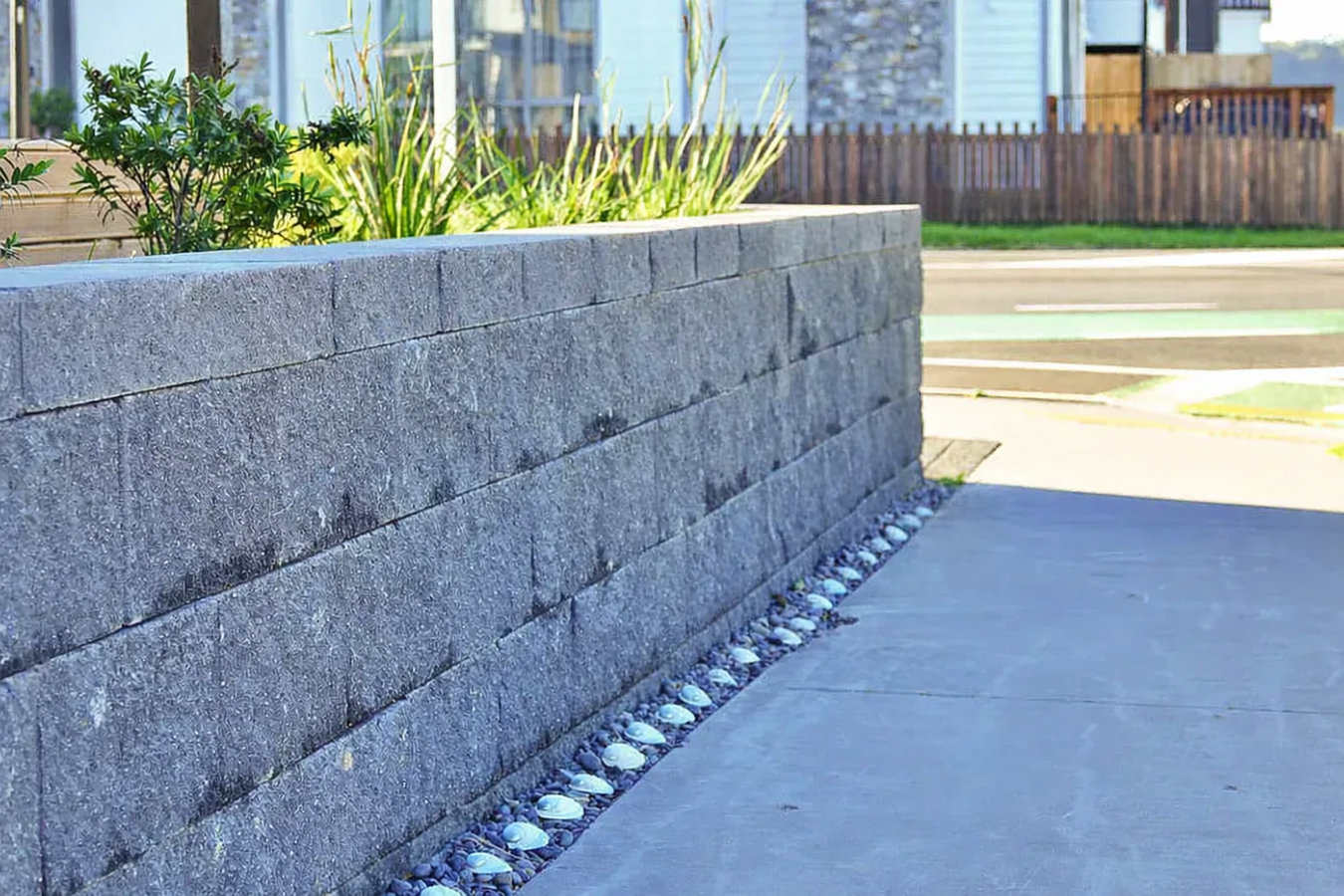
Scottsdale properties with sloped yards, terraced desert landscaping, or grade changes near pools often need retaining walls that can handle the expansive soil conditions underneath. Walls built without adequate footings and drainage backfill fail within a few seasons in desert soil. Learn more about our concrete retaining walls process and what proper installation looks like.
More than half of homes in many Scottsdale neighborhoods have in-ground pools, and pool decks built in the 1980s and 1990s have typically reached the point where resurfacing alone is not enough. A replacement deck poured with the correct drainage slope away from the pool structure and with control joints placed to manage the desert expansion cycle lasts significantly longer than a patched original.
Scottsdale driveways built during the Sun Belt boom of the 1970s through 1990s are now 25 to 50 years old and commonly show the effects of soil movement and decades of UV exposure. Replacement on properly compacted base - with attention to caliche conditions that affect how deep excavation needs to go in many Scottsdale neighborhoods - addresses the cause rather than just the surface.
Scottsdale homeowners depend on outdoor living spaces from October through May, and patios need to handle sudden monsoon rain without flooding toward the house or pool equipment. A concrete patio built with correct drainage slope and HOA-approved finishes is a long-term investment in a city where outdoor space is used almost year-round.
Stamped concrete is a natural fit for Scottsdale properties where HOA rules or design preferences call for a higher-end finish. It provides the visual detail of pavers or natural stone without the ongoing maintenance of individual units shifting in desert heat. Color options can be matched to the earth tones common in Scottsdale communities.
Any concrete structure in Scottsdale - a retaining wall, a covered patio, a detached garage - rests on footings that must account for caliche layers and expansive desert soil. Footings sized and placed without knowledge of Scottsdale soil conditions are one of the most common reasons new construction moves or cracks within a few years of installation.
Scottsdale covers about 185 square miles and grew rapidly during the Sun Belt boom of the 1970s through the 1990s. Most of the city's housing was built during that period, which means a large share of driveways, pool decks, and patios are now 25 to 50 years old and at or past the point where they need replacement rather than repair. The stucco-exterior homes that dominate every Scottsdale neighborhood look good at a distance, but the concrete flatwork surrounding them has been through decades of desert heat cycles that no surface patch can undo. A replacement job done correctly requires removing the old slab, addressing the base, and accounting for the soil conditions underneath before any new concrete is placed.
Scottsdale sits at the edge of the Sonoran Desert, and the soil here behaves differently than in most of the country. Much of it expands when wet during monsoon season and then contracts as it dries out, putting upward and lateral pressure on whatever concrete sits above it. Some areas also have caliche - a dense, calcium-cemented layer just below the surface - that affects how deep footings need to go and how drainage is managed under a slab. A contractor who does not account for caliche in the excavation plan is setting up a retaining wall or driveway for movement within a few years. The University of Arizona Extension has published detailed guidance on how caliche affects construction in the Phoenix metro - it is a real factor, not a minor detail.
We pull permits through the City of Scottsdale Building Safety division and have worked across both the older neighborhoods near Old Town and the newer master-planned communities in north Scottsdale. Those two parts of the city are very different to work in. Old Town and south Scottsdale have homes from the 1950s through 1970s on smaller lots with original flatwork that has settled unevenly over time. North Scottsdale communities like DC Ranch, Grayhawk, and Troon have larger lots, newer construction, and HOA design guidelines that govern everything from concrete color to finish texture before work can begin.
Scottsdale is also bordered by the McDowell Sonoran Preserve in the northeast - more than 30,000 acres of protected desert that backs up to residential neighborhoods along the preserve edge. Homes on those streets deal with sandy, rocky soil and desert drainage patterns that affect how we design drainage slope and footer depth on every job. Scottsdale Fashion Square and the Old Town corridor are the commercial landmarks most residents know, but the residential character of the city shifts noticeably as you move from south to north.
We also serve homeowners in Tempe to the south and west, where denser neighborhoods and older concrete block construction create a different set of planning needs. Contractors who work regularly in both cities understand how the permit offices, soil conditions, and housing types differ - which reduces surprises on every job.
We respond within 1 business day. Tell us the type of work, approximate size, and your neighborhood or HOA community in Scottsdale. We schedule an on-site visit before any written price - the difference between a job in Old Town and one in a north Scottsdale HOA community involves very different preparation and approval steps.
We visit your Scottsdale property, measure the area, and check soil and drainage conditions - including identifying caliche depth and any HOA restrictions on materials or finishes. You receive a written estimate with materials, permits, labor, and cleanup itemized. Cost is addressed directly at this step, with no surprises later.
We apply for all required City of Scottsdale permits and assist with HOA submittals before any excavation begins. Caliche and compromised subgrade are removed and replaced with compacted gravel. Summer pours are scheduled for early morning to manage curing risk in Scottsdale heat above 100 degrees F.
After the pour we do a complete walkthrough before leaving. The surface needs 24 to 48 hours before foot traffic and seven days before vehicle use. We leave written care and sealing guidance specific to Scottsdale's UV exposure and freeze-thaw nights so you know how to protect the surface through the first full year.
We serve all of Scottsdale - from Old Town and south Scottsdale to the HOA communities in the north. Written estimate before any work starts. No surprise costs.
(520) 340-7534Scottsdale covers about 185 square miles in the northeastern part of the Phoenix metro, bordered by Phoenix and Paradise Valley to the west, Tempe and Mesa to the south, and the McDowell Sonoran Preserve and open desert to the north and east. The city has roughly 241,000 residents and is known nationally as a luxury resort and golf destination, with a concentration of high-end hotels, spas, and courses in and around the Old Town corridor. Old Town Scottsdale is the historic center - a walkable district of galleries, restaurants, and shops near the original downtown that dates to the early 1900s. The residential areas nearest Old Town include some of the oldest homes in the city, many built in the 1950s and 1960s before the Sun Belt boom that filled in the northern sections.
North Scottsdale - communities like DC Ranch, Grayhawk, and Troon - is a different world. These are newer, larger homes in master-planned developments with desert landscaping, generous lots, and HOA oversight that governs exterior changes. The housing mix across the whole city leans heavily toward single-family homes with private pools, covered patios, and desert-landscaped yards. Scottsdale neighbors Chandler and other East Valley cities to the south, where similar desert soil conditions and HOA requirements create the same planning considerations for concrete work.
Durable, professionally poured concrete driveways built to handle Arizona heat and heavy vehicles.
Learn moreCustom outdoor patios designed for comfort and crafted to last through desert weather.
Learn moreDecorative stamped concrete that mimics stone, brick, or wood at a fraction of the cost.
Learn moreSmooth, sealed garage floor slabs resistant to oil, chemicals, and cracking.
Learn moreArtistic concrete finishes including staining, overlays, and custom textures.
Learn moreSturdy retaining walls that control erosion and define your landscape.
Learn moreInterior and exterior concrete floor installations for residential and commercial spaces.
Learn moreSlip-resistant, heat-reflective pool deck surfaces built for the Arizona sun.
Learn morePrecisely formed concrete steps and entryways for safe, clean access.
Learn moreEngineered concrete slab foundations built to support homes and structures reliably.
Learn moreFull foundation installation services for new construction and additions.
Learn moreHeavy-duty commercial parking lots designed for high traffic and longevity.
Learn moreReinforced concrete footings ensuring a stable base for walls, fences, and structures.
Learn moreFoundation lifting and leveling to correct settling and restore structural integrity.
Learn morePrecision concrete cutting for expansion joints, openings, and demolition prep.
Learn moreServing these cities and communities.
Desert soil, HOA requirements, and decades of UV exposure are a tough combination for concrete. Call or contact us today and we will assess your Scottsdale property and give you a written price before any work starts.