Loading...
Serving Casa Grande, AZ and surrounding areas. (520) 340-7534
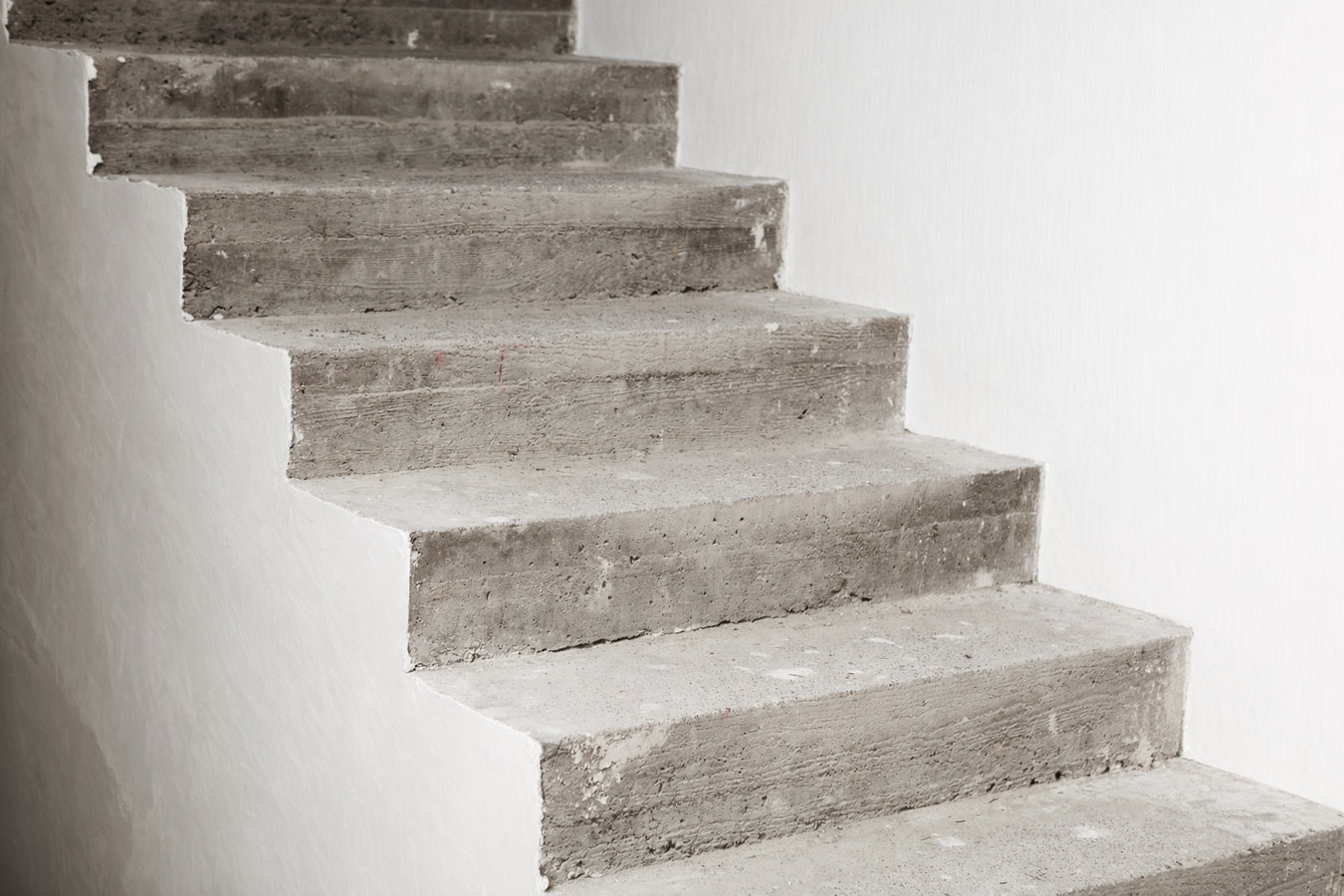
Cracked or tilting steps are a safety hazard your family deals with every day. We build concrete steps with proper reinforcement and base prep so they stay level and safe through years of desert heat and soil movement.
Concrete steps construction in Casa Grande involves removing old steps if present, preparing and compacting the base, setting steel reinforcement, building formwork, and pouring a reinforced concrete staircase - most standard front entry projects take one to two days on-site, with a 24- to 48-hour wait before light foot traffic.
If your front steps are cracked, tilting, or just worn out, the cause is almost always the ground beneath them, not the concrete itself. The caliche and clay soil common in the Casa Grande area shifts as it absorbs and releases moisture, and that movement puts stress on the base of the steps over time. Building new steps correctly means addressing what is underneath first - a step that is poured onto an unstable base will tilt again regardless of how good the concrete is.
New steps are often part of a broader entry project. If you are updating the exterior of your home, pairing the steps with a connected slab foundation or a new concrete sidewalk from the street is a natural combination that reduces total mobilization cost when done at the same time.
These signs are visible from your front entry - most homeowners can spot them without any help from a contractor.
Small surface cracks can be cosmetic, but cracks that span the full width of a step or are widening over time signal ground movement below. In Casa Grande, the caliche and clay soil shifts as moisture levels change through monsoon season and dry winters. Patching the surface is only a temporary fix at this stage.
If a step no longer sits flat, or there is a gap forming between your steps and the home's foundation, the base underneath has shifted. This is a safety issue - an uneven step is a tripping hazard. Soil movement from caliche layers and water infiltration during monsoon rains are common causes of this kind of settling in the Casa Grande area.
Concrete surfaces worn smooth over years of foot traffic, or that have started to pit and flake, lose their grip. This matters most during monsoon season, when sudden rain can make a smooth step genuinely dangerous. If you hesitate on your own front steps when they are wet, the surface needs attention - either resurfacing or full replacement.
If your steps were built before the early 2000s, they may not have been designed with Casa Grande's soil conditions or heat cycles in mind. When you are seeing multiple smaller problems at once - minor cracks, slight tilting, surface wear - it is often more cost-effective to replace the steps entirely rather than patch individual issues year after year.
We build new concrete steps for front entries, back patios, pool surrounds, and raised garage entries throughout Casa Grande and the surrounding area. Every set of steps we build includes steel reinforcement inside the concrete - rebar or wire mesh that you will never see once the job is done, but that is what keeps the steps from cracking apart under load or temperature changes. We also handle full removal and disposal of existing steps when a replacement is needed, so you are not coordinating a separate demolition crew. For homeowners adding a new entry as part of a renovation, we can combine steps with a connected slab foundation or concrete sidewalk project as a single job.
Finish options range from a practical broom-finish texture - which provides grip in wet conditions and holds up well in desert heat - to stamped or colored surfaces that improve your home's curb appeal. The right finish depends on your budget, whether your neighborhood has an HOA, and how much ongoing maintenance you want to take on. Stamped finishes look great but require periodic sealing to keep their color in Casa Grande's intense sun. We can walk you through the tradeoffs during your estimate so you make a choice that makes sense for the long term.
Best for homeowners replacing worn, cracked, or tilting steps at the main entrance - built to code with proper drainage away from the foundation.
Best for connecting different levels of your outdoor space - pool decks, raised patios, or a back door that sits above grade.
Best for homeowners who want improved curb appeal alongside safety - stamped patterns and color options available to match your home's exterior.
Casa Grande's combination of caliche soil and monsoon season is the main reason concrete steps fail prematurely here. Caliche is a hard, calcium-rich layer that sits close to the surface in much of Pinal County and does not drain water well. When monsoon rains soak the ground, water can get trapped beneath concrete steps and cause the soil to shift. That movement tilts the steps, creates gaps between the steps and the home, and eventually causes cracking that no amount of patching will fix. A contractor who checks what is underneath before pouring - and compacts the base correctly - is building steps that will still be level in 20 years. One who skips that step is just pouring concrete and hoping for the best.
Heat is the second major factor. At temperatures above 110 degrees F, concrete can dry too fast on the surface before it has cured all the way through, which creates internal stress and surface cracking. Homeowners in fast-growing areas like Florence and Coolidge deal with the same conditions we see here. We schedule pours in the early morning during summer months and use additives that slow the setting process, giving the concrete time to cure properly from the inside out. The American Society of Concrete Contractors provides guidance on best practices for hot-weather concrete work that aligns with how we approach every summer job in this region.
Here is the process from your first call to a finished set of steps.
We respond within 1 business day. We will ask a few basic questions - how many steps, whether you are replacing existing ones, and what your entry looks like. Many questions get answered when we visit in person, where we can also check the condition of the ground beneath your current steps.
We check the soil, drainage, and existing conditions in person. In Casa Grande, this step often includes checking for caliche close to the surface, which can affect base prep and cost. If a permit is required from the City of Casa Grande, we handle the application - you do not need to visit city hall.
Old steps are broken up and hauled away - typically the noisiest part of the job. We then compact the soil, add a gravel base for drainage, and set up the steel rebar that goes inside the concrete. This preparation is what determines how long your new steps will last.
We pour and finish the steps early morning in warm months to avoid peak heat. You can walk on the steps lightly after 24 to 48 hours. We walk through the finished work with you before we leave and explain what to avoid during the curing period.
Free estimate - no obligation. We respond within 1 business day.
(520) 340-7534We embed rebar inside every set of concrete steps we build. You cannot see it once the job is done, but it is what keeps the steps from cracking under load or temperature changes. Skipping reinforcement is one of the most common shortcuts that leads to early failure.
Casa Grande sits on caliche in many neighborhoods, and that hard, poorly draining layer causes concrete to shift if it is not handled correctly during site prep. We assess what is underneath before we pour a single yard of concrete, so your steps are built on a stable base.
We pull all required permits through the City of Casa Grande before work begins. Your project is inspected and on record - which protects your home's value now and keeps things clean when you sell. Unpermitted work creates real headaches with buyers and their inspectors.
Every set of steps we build gets a textured surface - broom, brushed, or stamped - that provides real grip underfoot when wet. This matters during Casa Grande's monsoon season, when sudden rain can turn a smooth entry into a slip hazard within minutes.
Concrete steps in Casa Grande fail for two reasons: poor base preparation and shortcuts during the pour. We do not take either shortcut - which is why we pull permits, embed reinforcement, and address the caliche layer before we pour. That combination is what separates steps that hold up for 30 years from ones that need repair in three.
Arizona contractor licensing is searchable at roc.az.gov - look up any contractor before you sign a contract for steps work in Casa Grande.
Concrete steps often tie directly to a slab foundation - we handle both as part of new construction or home additions.
Learn moreConnect your new front steps to a code-compliant sidewalk that handles desert heat and soil movement over the long term.
Learn moreCracked and tilting steps get worse after every heavy rain - get your free estimate now and lock in a project date while slots are available.