Loading...
Serving Casa Grande, AZ and surrounding areas. (520) 340-7534
Footings are what everything else rests on. In Casa Grande, getting them right means dealing with caliche, clay soil, desert heat, and city permits - and we handle all of it.
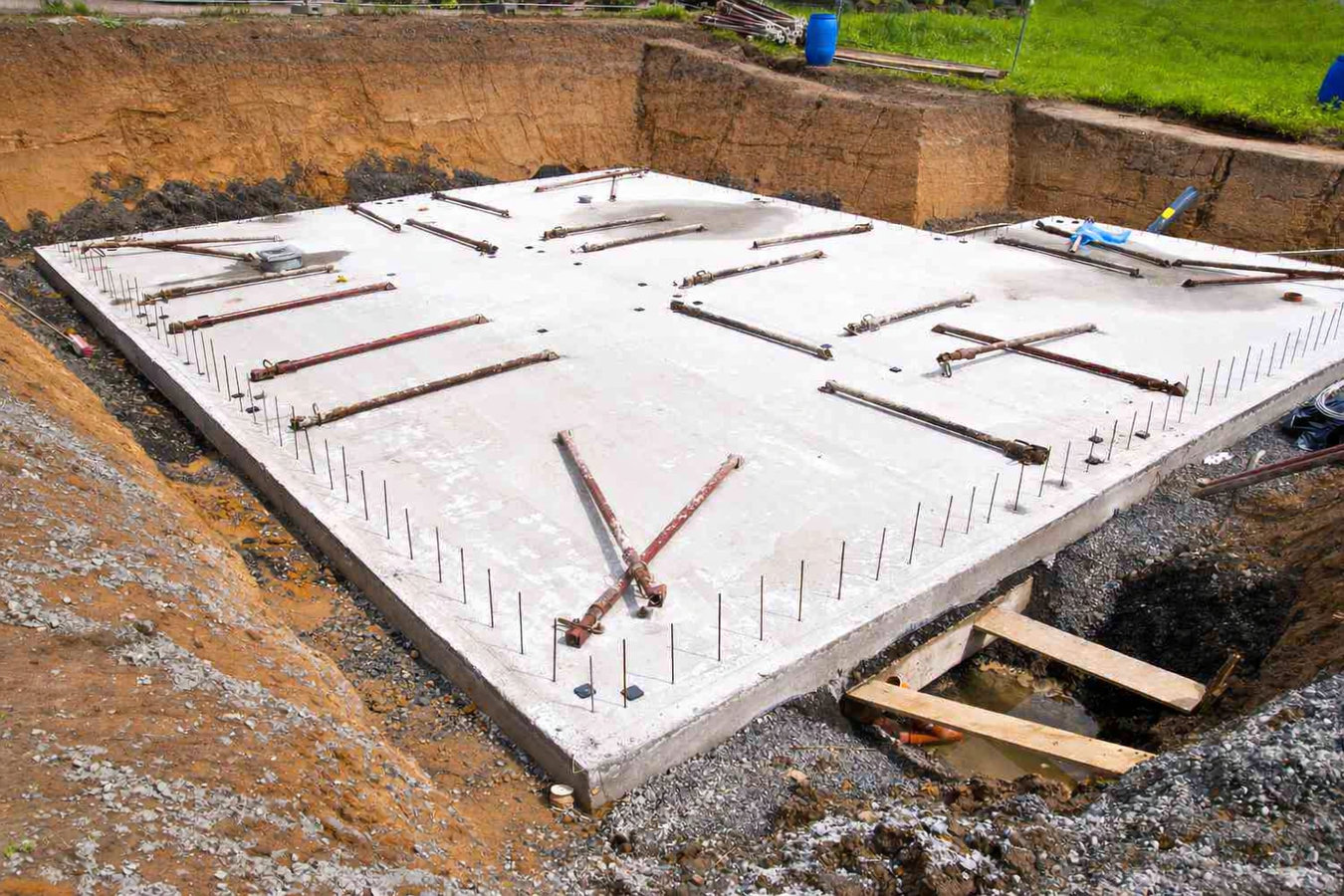
Concrete footings in Casa Grande are underground concrete bases that support patio covers, block walls, room additions, garages, and other structures - most residential footing jobs take one to three days from excavation to pour, plus a curing window before construction above ground can begin.
Think of footings as the feet of a table: if they sink or shift, everything above them shifts too. In Casa Grande, the challenge is that the soil contains clay that expands when wet and contracts when dry, and a hard mineral layer called caliche sits just below the surface on many lots. Both of these conditions affect how footings need to be sized and placed. A footing designed for typical desert conditions may not be right for your specific lot without someone checking the ground first. We have worked on properties all across Pinal County and know what to look for before a single shovel goes into the ground.
For homeowners adding a structure that also needs a full concrete base rather than individual footings, we also handle foundation installation and can advise which approach makes more sense for your project during the site visit.
Some of these signs are visible from your yard without any tools or expertise.
If the posts supporting your patio cover have started to tilt, or if you can see a gap opening up between the post base and the concrete pad, the footing underneath may have shifted. In Casa Grande, this often happens when the original footing was too shallow for local soil conditions. A leaning post is a safety issue - worth having it assessed before the next monsoon adds wind load to the structure.
Diagonal cracks running in a stair-step pattern through a block wall are a classic sign that the footing below has moved. Casa Grande's expansive soils can push footings up or sideways as moisture levels change through the wet and dry seasons. If these cracks are widening over time - especially after a rainy stretch - the footing is likely the source, not just the wall surface.
When a footing settles unevenly, the structure above it shifts slightly out of square. The first place you usually notice this is in doors or windows that suddenly stick, will not latch, or have visible gaps at the corners of the frame. If this is happening in a newer addition or outbuilding, the footing for that addition is the most likely cause.
If water consistently collects around the base of a patio post or wall after Casa Grande's monsoon rains, and the footing was not designed to sit above that water level, moisture can weaken the connection between the post and concrete over time. This is worth addressing before the problem becomes structural.
We install concrete footings for residential and light commercial structures in Casa Grande and surrounding Pinal County communities. Common projects include footings for patio covers and ramadas, block walls along property lines, detached garages and carports, room additions, and sheds or accessory structures. Every project starts with a site visit where we check the ground for caliche depth, assess soil type, and confirm what the city's building department will require. We handle the permit application, coordinate the inspection before the pour, place the steel reinforcing bar correctly, and schedule the actual pour for a time of day that gives the concrete the best chance of curing properly in this climate. If your project also requires foundation raising on an adjacent or existing structure, we can assess both in the same visit and coordinate the work so you are not managing two separate contractors on the same job site.
Two types of footings come up most often in residential work in Casa Grande. Continuous trench footings run along the perimeter of a wall or building footprint - common for block walls and room additions. Isolated spread footings support individual posts or columns - common for patio covers and shade structures. We pair every project with foundation installation guidance when the structure being built needs something more than footings alone. Your estimate will specify which type applies to your project and why.
Best for homeowners adding a block wall, property boundary wall, or room addition that needs a continuous concrete base along its perimeter.
Best for patio covers, shade structures, and ramadas that rest on posts - isolated footings sized for the load and the local soil conditions.
Best for Casa Grande lots where caliche is present near the surface and standard digging methods need to be supplemented with specialized equipment.
Most of Casa Grande sits on Sonoran Desert soil with two characteristics that directly affect footing work. First, caliche - a hard calcium carbonate layer - forms naturally a few feet below the surface across much of Pinal County. Breaking through it requires equipment most general contractors do not keep on their trucks, and a contractor who does not price for it upfront is likely to surprise you with an extra charge mid-job. Second, parts of the area have expansive clay soil that swells when wet and shrinks when dry. A footing that was not sized or placed with this movement in mind can shift within a few seasons, taking the structure above it with it. Homeowners in Coolidge and Florence face the same soil conditions, and we apply the same site-specific approach across all of those communities.
Casa Grande's summer heat creates a third challenge. Concrete poured above about 90 degrees F loses moisture from the surface faster than it can hydrate from within, which means the outside can harden before the inside has cured to full strength. Footings poured in these conditions may look fine but carry less load than they should. We schedule every summer pour for early morning, use chilled mix water when available, and cover fresh footings to slow surface drying. This is not a premium add-on - it is standard practice for anyone who knows the local climate and takes the work seriously. The American Concrete Institute publishes specific guidance on hot-weather concreting that we follow on every warm-weather pour.
We respond within 1 business day. A good contractor will ask you a few basic questions: what you are building, roughly where on your property it will go, and whether you have talked to the city about permits. Most schedule a site visit before giving a firm price.
During the site visit we check the area for obstacles, assess soil type, and think about caliche depth - factors that affect how long digging will take and what equipment is needed. You receive a written quote that breaks down labor, materials, and any permit fees separately.
For most footing projects in Casa Grande, we submit the permit application to the City's Building Safety Division before any work begins. This typically takes a few business days to a couple of weeks. We handle this for you - you should not have to manage the permit office yourself.
We dig the trenches to the required depth, place rebar, and schedule the pour for early morning in warm months. After the pour we keep the concrete protected during curing. We tell you exactly when it is safe to begin construction on top of the footings.
We visit the site, check for caliche, and give you an itemized written estimate before anything is committed. No pressure, no obligation.
(520) 340-7534One of the most frustrating experiences in Casa Grande is getting a low quote, then being told mid-job that the crew hit caliche and the price is going up. We assess caliche risk during the site visit and build it into our pricing upfront - the number on your written estimate is the number you pay.
The steel reinforcing bar inside a footing is the invisible part that determines whether it holds up for decades. You cannot check it once the concrete is poured, which is why it matters to hire someone who does this step correctly even when no one is watching. We follow proper cover and placement requirements on every job.
The City of Casa Grande requires an inspection before concrete is poured on permitted footing projects. We coordinate the inspection, confirm the footings pass, and keep everything documented. A permitted project is protected - an unpermitted one is a liability at resale.
Concrete poured in Casa Grande's 105-degree summer heat can look fine on the outside while the inside is weaker than it should be. We schedule early-morning pours, use the right mix for desert conditions, and keep fresh footings protected from the heat until they are fully cured.
Casa Grande has been one of the fastest-growing cities in Arizona for the past two decades, and we have been installing footings across Pinal County throughout that growth. We know the soil, the permit office, and the caliche depths in this area - and that local experience shows up in work that holds up season after season.
You can verify any contractor's license status in Arizona through the Arizona Registrar of Contractors - a free lookup that takes about two minutes and confirms current license status and any complaints on file.
If an existing foundation has settled or shifted, foundation raising restores level support - often done alongside new footings on the same property.
Learn moreFor new structures that need a full foundation rather than individual footings - we size and build both types to local soil and load requirements.
Learn moreSpring and fall slots go fast in Pinal County - reach out today to lock in a start date and get a written estimate before you commit to anything.