Loading...
Serving Casa Grande, AZ and surrounding areas. (520) 340-7534
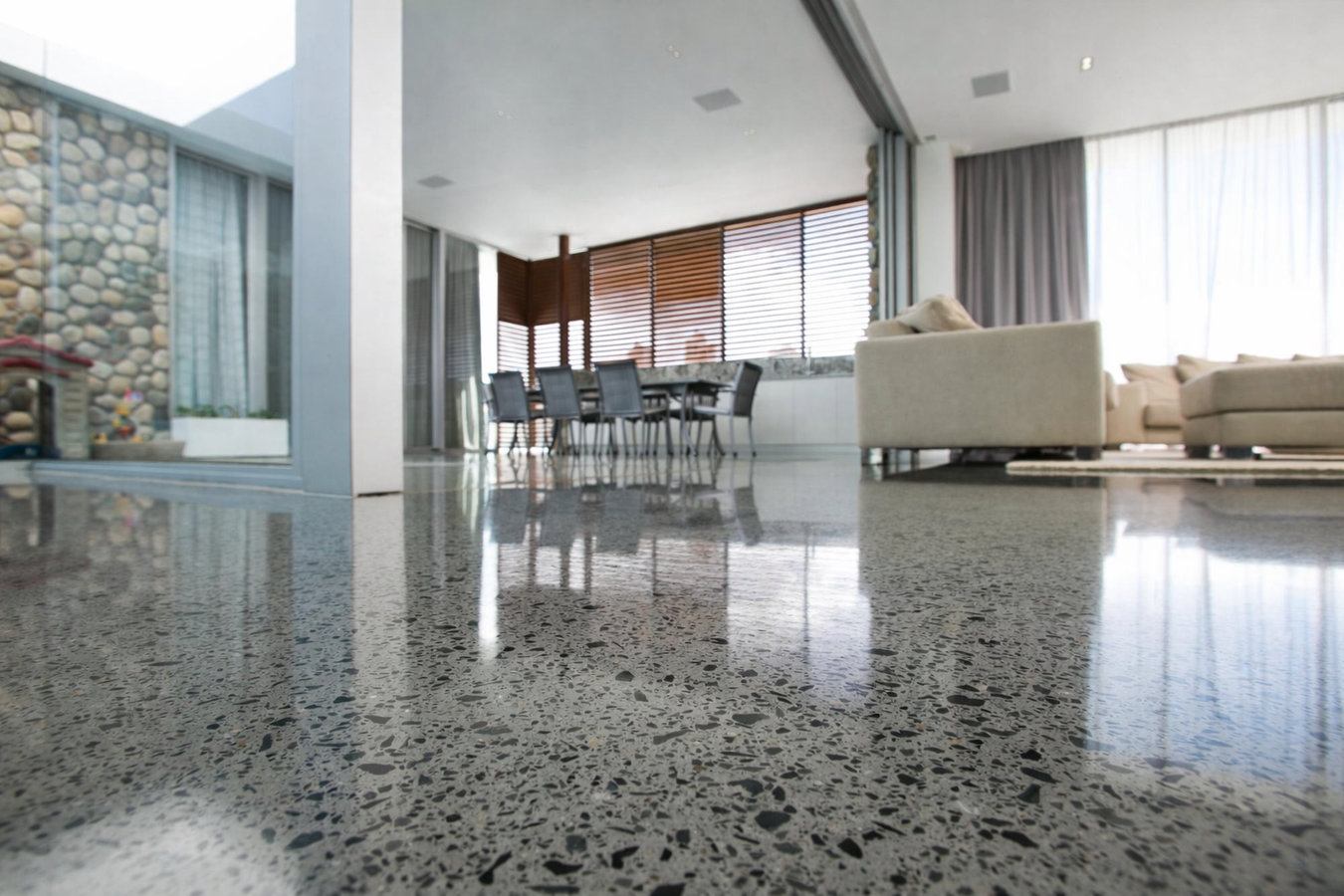
Cracked and shifting floors in Casa Grande come from skipped subgrade prep and hot-weather shortcuts. We pour concrete floors with the ground assessment and scheduling this desert climate actually requires.
Concrete floor installation in Casa Grande covers removing existing material, grading and compacting the subbase, pouring a finished slab, and cutting control joints - most residential floors for a garage or covered patio take one to three days of active work, then 24 to 48 hours before light foot traffic.
Many Casa Grande homeowners contact us about floors that have cracked or shifted within just a few years of being poured. The cause is almost always the ground preparation - or skipping it. The soil in this part of Pinal County contains clay that expands when wet during monsoon season and shrinks when it dries out, and a slab poured on an unprepared base follows that movement. Getting the subgrade right before the pour is what separates a 30-year floor from a 4-year one.
Concrete floor work often pairs with other projects. If you are finishing a garage, the floor may connect to an apron or driveway we can handle together. We also install concrete pool decks and specialize in garage floor concrete if you want a floor built specifically for vehicle use and daily wear.
These are visible signs you can check yourself before calling a contractor.
If you can see cracks in your concrete floor and they seem wider or longer than they were a year ago, the slab is moving. In Casa Grande, clay-heavy soil expands and contracts with seasonal moisture changes from monsoon rains and dry spells. A crack where one side sits higher than the other - so you feel a lip when you walk across it - is a sign the slab has shifted and may need replacement rather than patching.
That white powder is called efflorescence, and it means moisture is moving up through the slab from the soil below. In the desert climate around Casa Grande, this can happen when irrigation water or monsoon rain saturates the ground and has nowhere to go. Left alone, it can damage flooring materials laid on top of the slab and signals that the original pour may not have included adequate moisture protection.
Concrete that was not properly finished or sealed can begin to spall - meaning the top layer flakes off in chips. In Casa Grande, the combination of intense UV exposure and temperature swings between summer days and winter nights accelerates this process. A floor that is rough enough to catch on a broom or leave grit on your shoes has likely reached the point where resurfacing or replacement makes more sense than continued patching.
If you hear a hollow sound when you tap the floor with your heel, or if a section feels slightly springy underfoot, the soil beneath the slab may have settled or washed away. Near irrigation lines or areas where monsoon water pools, this kind of subsidence is not uncommon. A floor with voids beneath it can crack suddenly under load and should be evaluated before the problem grows.
Our concrete floor service covers the full project from permit through final walkthrough. Standard residential interior floors are poured at four inches thick. Garage floors and workshop spaces are typically poured at five to six inches with steel reinforcement added inside the slab, because they carry heavier loads and need extra strength. Every floor includes control joints cut at regular intervals to give the concrete a planned place to accommodate any shrinkage - along a straight line rather than randomly across your floor.
Finish options range from plain broom texture - practical for garages and utility spaces - to polished, stained, or stamped surfaces for indoor living areas and covered patios. Polished and stained concrete floors are popular in Casa Grande because they stay cooler underfoot than carpet and hold up well in the heat. If your project connects to an existing pool deck or a garage floor, we plan the joint between the two surfaces carefully so it does not become a cracking point down the road.
Five to six inches thick with reinforcement. Built for vehicle loads and daily use. Broom or smooth finish options.
Four inches thick for foot-traffic areas. Can connect to existing outdoor concrete for a unified look.
For living areas and covered spaces where appearance matters. Cooler underfoot than carpet and easy to maintain in the desert.
Casa Grande has been one of the fastest-growing cities in Arizona, and a large share of its housing stock was built on land that was previously agricultural. Newly developed lots sometimes have fill soil that has not fully settled, which creates an unstable base for a concrete floor if not properly compacted. The soil in this part of Pinal County also contains clay that swells and shrinks with the wet-dry cycle of monsoon season, putting stress on slabs from below. And just below the surface, caliche - a hard chalky layer - can complicate excavation in ways that affect both project cost and timeline if a contractor is not prepared for it.
Homeowners across the service area - from newer subdivisions near Florence to established neighborhoods in Coolidge - face the same soil conditions. A contractor who has done this work in Pinal County before knows what to look for during the site visit and how to adjust the approach before the pour begins.
We respond within 1 business day. A written, on-site quote is worth taking us up on - a concrete floor is hard to price accurately without seeing the space. We will ask about the area size, what is there now, and what finish you want.
For garage floors, room additions, and enclosed patios, we file the required permit with the City of Casa Grande Building Safety Division before any work starts. Once approved, we confirm your start date and tell you exactly what to clear out of the work area.
We remove any existing material, excavate to the right depth, and compact the base. In Casa Grande, this often involves dealing with caliche or clay soil - so this step can take longer than expected but is what determines how the floor performs years from now.
In summer, every pour starts at dawn to avoid the worst heat. Once level, the crew finishes the surface - smooth, broom-texture, or stamped - and cuts control joints. You can walk on it within 24 to 48 hours. We walk through the finished area with you before we leave.
We respond within 1 business day. Free on-site estimate with written quote - no obligation.
(520) 340-7534The clay soil in Pinal County expands and contracts with every wet and dry cycle, and a slab poured on a poorly prepared base will crack and settle regardless of how good the concrete is. We assess the subgrade before we pour anything - if we find caliche or unstable fill, we deal with it at that stage, not after your floor has already moved.
Summer temperatures above 110 degrees F cause concrete to dry out on the surface before it sets underneath. We schedule every warm-weather pour for early morning and use curing techniques that slow evaporation. That discipline is the difference between a floor that holds and one that needs repair within two years.
We file every required permit and coordinate the inspection schedule with the City of Casa Grande Building Safety Division. You will have a documented, inspected project on record - no questions about the work if you sell your home or need to file an insurance claim.
Our Arizona Registrar of Contractors license is verifiable at roc.az.gov. We carry liability coverage and workers compensation on every job and have installed concrete floors on properties across Pinal County in a range of site conditions.
Every concrete floor we install in Casa Grande gets the same ground-up attention - subgrade assessment, caliche check, permit filing, and pour scheduling around the heat - because those steps are what determine how your floor looks and performs in five years. You can verify our Arizona Registrar of Contractors license at roc.az.gov before you sign anything, and we encourage every homeowner to do that check for any contractor they consider.
For permit requirements in Casa Grande, visit the City of Casa Grande Building Safety Division. For concrete standards and best practices, the American Concrete Institute is the leading reference for residential and commercial concrete work. Information on caliche soil common to this area is available through the University of Arizona Cooperative Extension.
Extend your outdoor space with a properly sloped pool deck that drains away from the water and holds up through desert UV exposure.
Learn moreSpecialized garage floor installation built to the right thickness and finish for daily vehicle use and desert temperature swings.
Learn moreSummer slots fill quickly - reach out now to lock in your project date and get a written quote before the schedule fills up.