Loading...
Serving Casa Grande, AZ and surrounding areas. (520) 340-7534
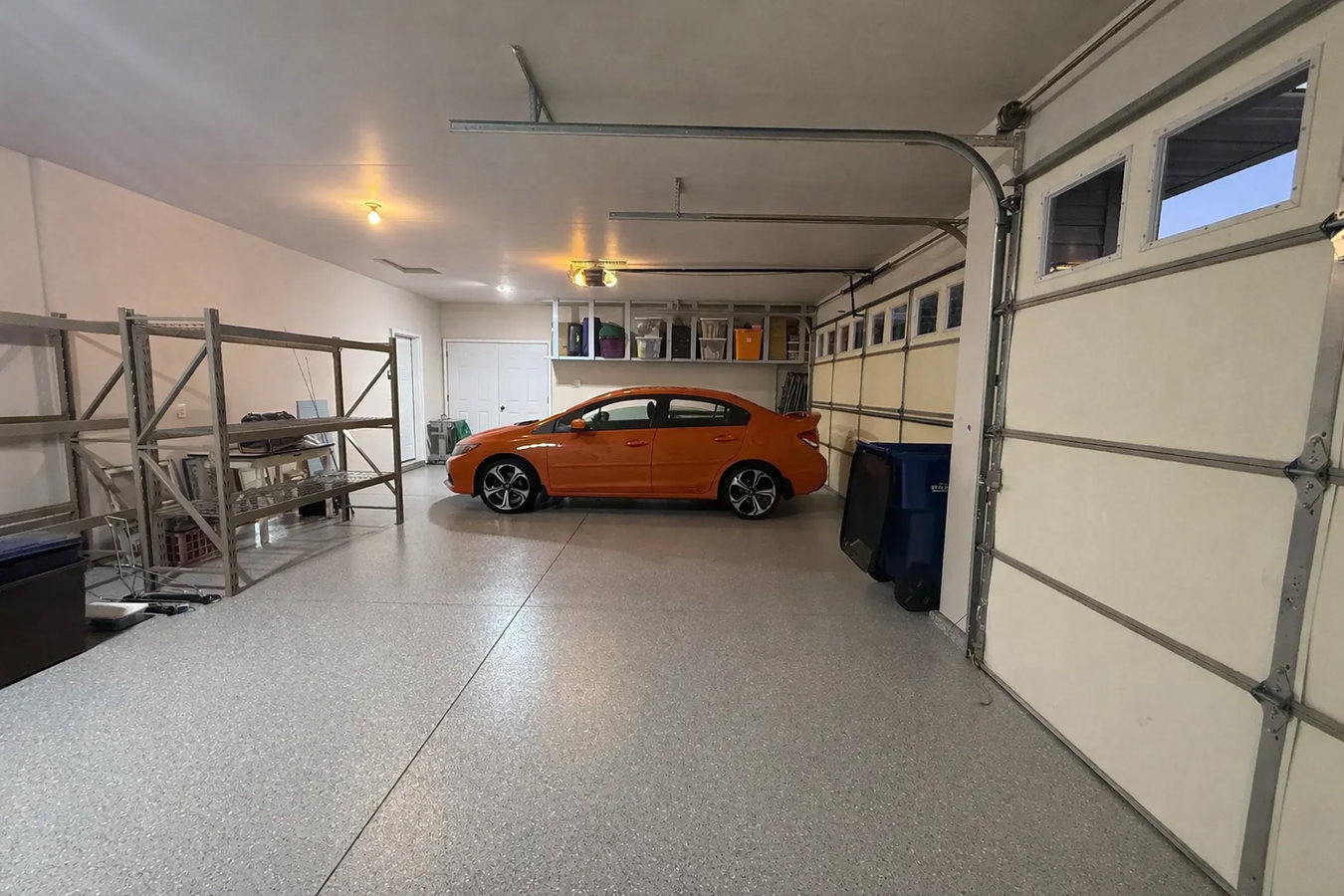
Cracked, crumbling, or hollow garage floor? We pour properly prepped slabs built for Casa Grande soil and desert heat - with permits handled and a written estimate before any work starts.
Garage floor concrete in Casa Grande starts with removing the old slab if there is one, compacting and leveling the soil underneath, building temporary forms, and pouring fresh concrete - most single-car or two-car garage jobs take one to two days on-site, with at least seven days before you can drive on the new floor.
A lot of homeowners in Casa Grande contact us after a floor that started cracking or dusting within a few years of being poured. The culprit is almost always the same thing: the ground preparation was rushed. The caliche and clay soil layers common in Pinal County need to be correctly identified, compacted, and leveled before any concrete goes down. Skip that step and the slab has nowhere stable to rest - and in a climate with hot summers and occasional monsoon-soaked soil, that instability shows up fast.
If you are looking to upgrade the look of your new floor after it cures, our decorative concrete options include coatings and finishes that protect the surface and improve the appearance. For utility spaces beyond the garage, we also handle concrete floor installation in workshops, additions, and storage areas.
These are the most common warning signs Casa Grande homeowners describe when they call us.
Small hairline cracks are common and often harmless. But cracks wider than about a quarter inch, cracks that have grown since you first noticed them, or cracks where one side sits higher than the other signal the slab may be moving. In Casa Grande, this is often tied to caliche and clay soil layers shifting with seasonal moisture changes - and it tends to get worse if left alone.
If your garage floor looks like it is shedding thin chips or concrete dust, the surface has started to deteriorate. This is common in older Casa Grande homes where the original slab was poured during a hot stretch without proper curing steps. Once the surface starts breaking down, it accelerates - no amount of sealing will fix a floor that is failing from the top down.
A properly poured garage floor has a slight slope toward the door so water drains out naturally. If water sits in puddles after a monsoon storm blows rain in, the floor may have settled unevenly. Standing water also speeds up surface deterioration and can seep under the slab, making ground-settling problems worse over time.
If you knock on your garage floor with your heel and hear a hollow sound in spots, the concrete has separated from the ground beneath it. This is called delamination, and it means the slab is no longer fully supported. A hollow floor is more likely to crack or fail under the weight of a vehicle - especially a heavier truck or SUV.
We pour garage floors in the right thickness for how you plan to use the space. A four-inch slab handles standard passenger cars and everyday storage well. If you park a heavy truck, run a workshop with large equipment, or store a boat, we recommend going to five or six inches so the floor does not crack under loads it was not designed for. The Portland Cement Association provides guidance on slab thickness and curing that explains why these decisions matter long-term.
For the surface finish, a broom finish is the most practical choice for a garage - it creates a slightly rough texture that grips when the floor is wet or oily. A smoother trowel finish looks cleaner but can get slippery. If you want a more finished appearance, we can coordinate a sealer or coating application after the floor has fully cured. We also handle full demolition and haul-away of existing slabs, which some contractors price separately - ask about this when comparing quotes.
Right for homes with passenger cars and typical storage. The most cost-effective starting point for most Casa Grande garages.
Suited for workshops, heavy trucks, RVs, or boat storage where extra load capacity is needed to prevent cracking.
For floors that are failing, hollow, or too far gone to repair. Includes breaking up the old slab, haul-away, and a complete new pour.
Casa Grande's extreme summer heat is the biggest challenge for any concrete pour in the area. When temperatures climb above 110 degrees F - which happens regularly from June through September - concrete can dry too fast on the surface before the inside has cured properly. That leads to cracking and a weaker finished floor. Experienced local crews schedule pours for early morning and take steps to slow the drying process, so the concrete sets correctly from the inside out. Homeowners in Peoria face similar summer heat challenges, which is why this same approach is standard practice on every job we do across the region.
Casa Grande has also grown rapidly over the past two decades, and a significant share of its housing stock was built during boom periods when garage floors were sometimes poured to minimum standards. Many of those original slabs are now showing their age - cracking, dusting, or settling. If your home was built between the late 1990s and mid-2000s, the garage floor may be due for evaluation or replacement. Homeowners in nearby Coolidge deal with the same aging construction issue, since the growth wave extended across Pinal County during those years. The University of Arizona Cooperative Extension has published research on caliche soil in Arizona that explains why proper base prep matters so much in this region.
We respond within 1 business day. After a few basic questions about your garage size and existing slab, we schedule an in-person visit to measure, check soil conditions, and put a written quote together.
We measure the space, check the condition of any existing slab, and look at what is under it if possible. You get a written quote that breaks down what is included - demo, ground prep, pour, finish, and cleanup - before you agree to anything.
We break up and haul away the old slab, grade and compact the soil, and prepare the caliche layer correctly so your new floor has a stable base. This step is where most shortcuts happen - we do not cut it.
The crew pours and smooths the concrete, cuts control joints, and applies your chosen finish. We schedule summer pours for early morning to manage the heat. Once done, you get a clear timeline for when it is safe to walk on it and when to drive back in.
We respond within 1 business day, pull all required permits, and give you a written estimate before any work begins. No pressure, no obligation.
(520) 340-7534Casa Grande sits on caliche and clay soils that can shift if they are not properly compacted before a pour. We address the base as carefully as the concrete itself - which is why our floors do not sink or crack within a few years of installation.
The City of Casa Grande requires permits for full slab replacements, and we handle the entire process for you. An inspected job means you have documented proof the work was done correctly - useful when you sell your home or file an insurance claim.
Casa Grande hits 110 degrees F regularly, and concrete poured in that heat without precautions can fail within months. We schedule pours for early morning in warm months and use the right mix design for desert conditions - so your floor cures properly regardless of season.
We carry a valid Arizona Registrar of Contractors license, which means we are legally required to carry insurance and meet state standards. You can verify any contractor's license at no cost on the ROC website before you hire anyone.
Every garage floor project we take on in Casa Grande is permitted, inspected, and built on a properly prepared base. That combination - local soil knowledge, correct scheduling around the desert climate, and full permit compliance - is what separates a floor that lasts 30 to 50 years from one that starts failing within a few seasons.
Upgrade a plain gray slab with color, texture, or a stamped pattern that holds up through desert heat and daily use.
Learn moreFull interior concrete floor pours for workshops, additions, and utility spaces that need a clean, durable surface.
Learn moreFall and winter scheduling fills up fast - locking in your project now means better weather, faster curing, and no waiting on a crowded summer schedule.